
Scrub Smart: How to Pick the Right Sponge for Every Dish
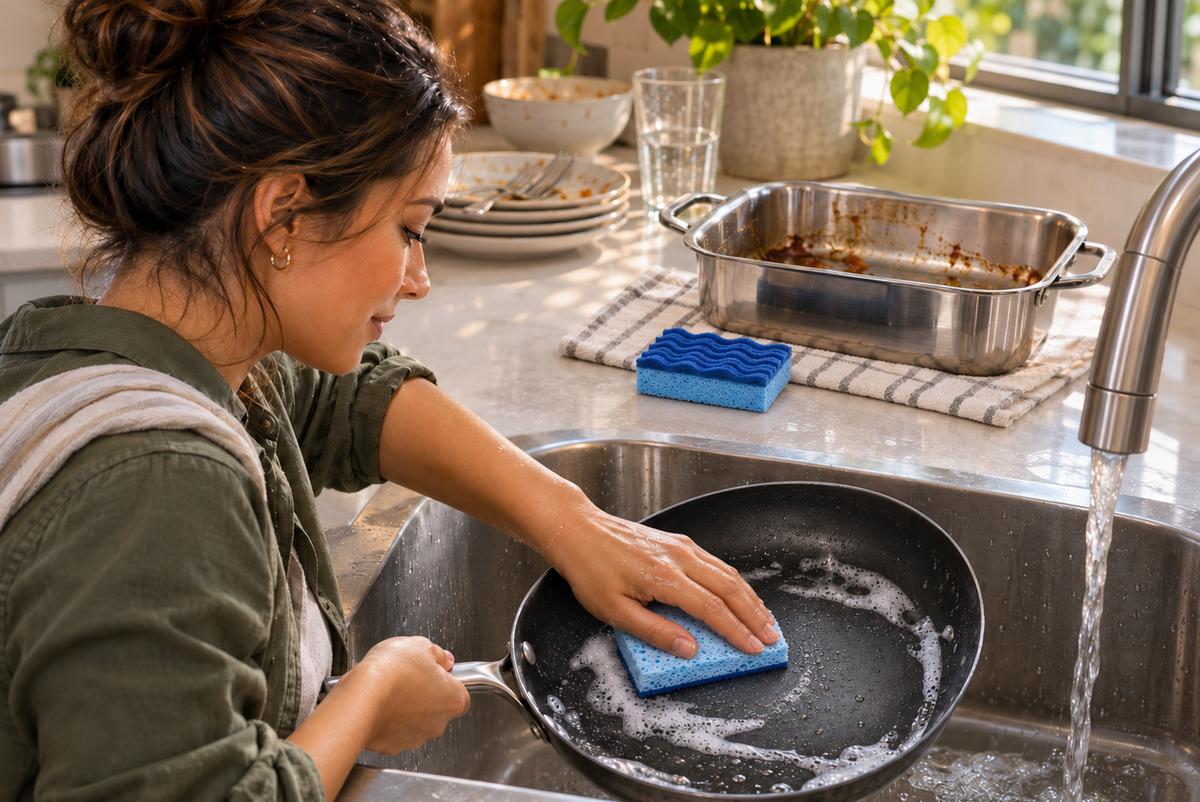
Not every dishwashing sponge deserves the same job. The one that works perfectly on a stainless-steel pot may be a terrible choice for your favorite nonstick pan. And the soft sponge that glides over glassware may surrender immediately when it meets last night’s baked-on casserole.
The secret to easier dishwashing is simple: use the right sponge for the right surface.
Start With a Reliable Everyday Sponge
For everyday dishes, a dual-sided sponge is one of the most practical choices to keep beside the sink.
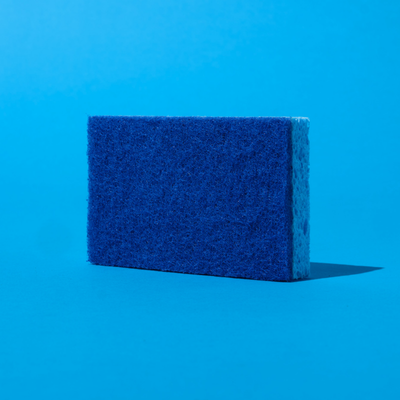
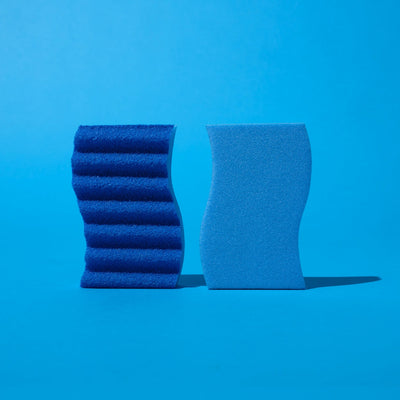
The soft side handles regular washing, wiping, and soaking up water, while the textured side gives you extra help with food residue and stubborn spots. That combination makes it useful for plates, bowls, utensils, mugs, and many types of cookware.
LOLA’s Natural Cellulose Scrub Sponges combine an absorbent cellulose sponge with a fiber scrubber, giving you two cleaning surfaces in one tool.
They’re also specified for use on nonstick and coated cookware, although it is still a good idea to test any scrubber on delicate finishes before going all-in.
Be Gentle With Nonstick Cookware
Your nonstick pan does not need a wrestling match.
Aggressive scrubbers can scratch or wear down some coatings, especially when too much pressure is used. Instead, let warm water and dish soap loosen dried food first, then clean with a gentler sponge.
The goal is to remove the mess, not the coating.
Tough Mess? Bring in More Scrubbing Power
Sometimes you need something stronger.
For tougher everyday kitchen jobs, LOLA Pot Brite All Purpose Scrub Sponges offer additional scrubbing power for compatible cookware and surfaces.
They can be useful when dealing with stubborn food residue, greasy pots, or messes that refuse to leave politely.
Just remember: stronger is not always better. Before using a heavier scrubber, check whether the surface can handle it.
The Two-Sponge Rule
One of the easiest dishwashing upgrades is keeping at least two sponge types near the sink.
Use a gentler sponge for glassware, plates, nonstick pans, and coated cookware. Keep a tougher scrubber for durable pots, pans, and stubborn residue.
You can explore LOLA’s complete sponge and scourer collection to find different options for the cleaning jobs around your kitchen.
The Bottom Line
The best dishwashing sponge is not the roughest or biggest one in the cabinet. It is the one that cleans effectively without damaging the surface underneath.
Choose wisely, rinse your sponges after use, replace them when they become worn, and stop expecting one sponge to handle every kitchen battle.
Your dishes will be cleaner, your cookware will last longer, and your sink routine will involve a lot less scrubbing drama.

Leave a comment